Releases help you ship, and a backlog helps you remember. A backlog is a list of things that could be done. A release is a named scope with an end state, so it forces the priority decisions a backlog lets you put off. Most teams need both, as long as active work runs out of the release.
How they differ
| Backlog | Release | |
|---|---|---|
| Holds | Anything you might do | What you've decided to ship |
| Adding something costs | Nothing | Time, and maybe the ship date |
| Is it finished? | Never | Yes, when it ships |
| Unit of progress | Tasks completed | Release shipped |
| Everyone sees | A different top ten | The same scope |
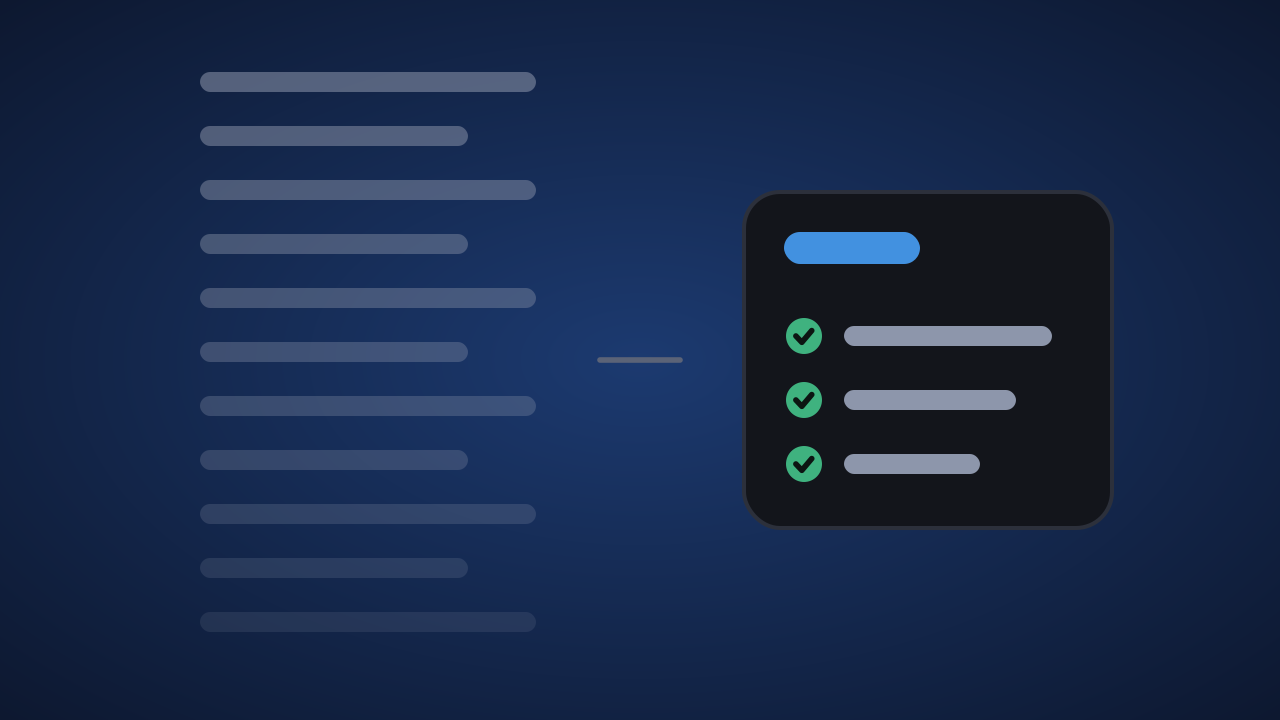
Fifty tasks done with nothing released is a different result from one release out the door with thirty tasks done.
Why backlogs turn into graveyards
You add faster than you ship, and nothing forces a decision. A bug from this morning sits next to an idea from eight months ago that nobody wants and nobody will close.
Items lose context as they age. "Improve search" might have been a real priority or something someone thought of while browsing a competitor. Entries like "better notifications" never get specific enough to work on, so each reader leaves them for the next one.
After enough of that, the team stops trusting the list. Planning moves to Slack, and decisions stop being recorded.
Plan in releases instead
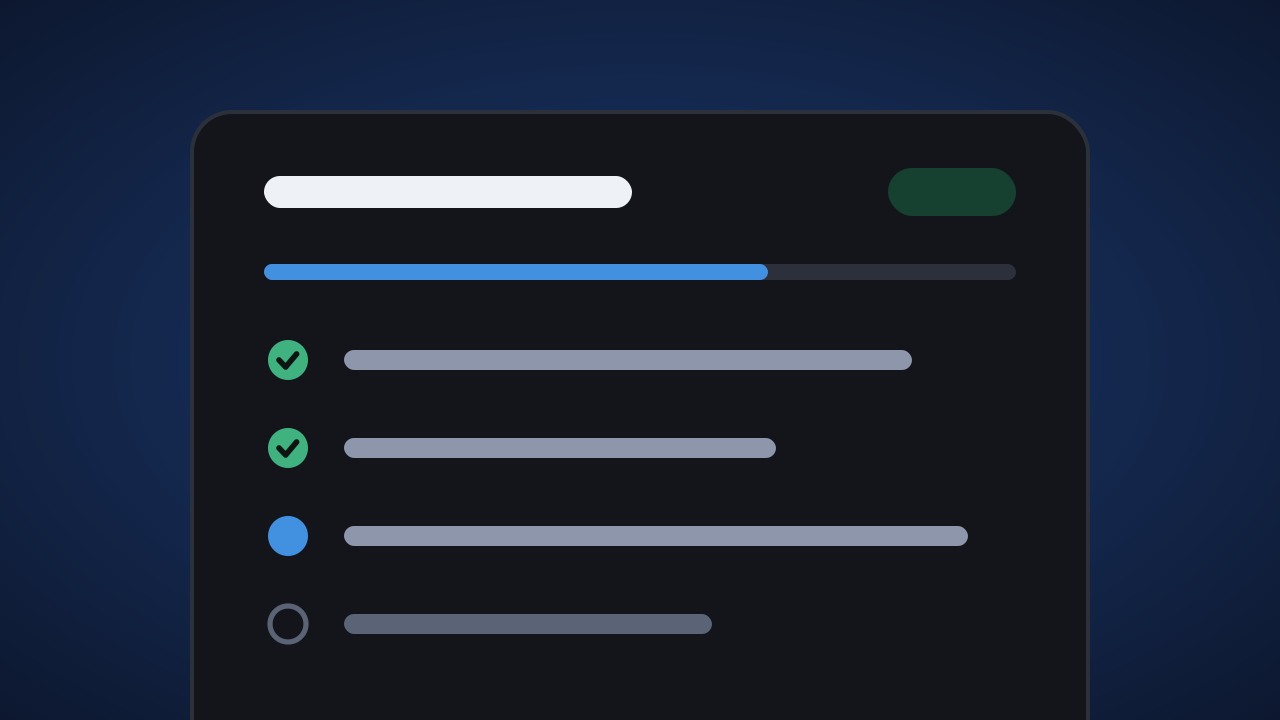
On a new project, begin with the release. Scope your first version, put that work in and leave the backlog empty. When you ship, plan the next release from what you learned.
-
MVP CompletedShipped June 18, 2026
-
1.0.0 CompletedShipped September 16, 2026
-
1.1.0 ActiveTarget December 6, 2026
-
1.2.0 UpcomingTarget February 3, 2027
Each one above started as a scope and finished as something shipped. That's how the next plan gets written from real information, and not from a list you wrote three months before you had any.
What the backlog is for
You still need one. It holds what you've considered but haven't scoped, and it's what you pull from when planning.
Let groups pick a themed pack (fitness, cooking, outdoors) instead of the default rotation.
No release on that card means it's a candidate, and nobody's working on it. Review the backlog at the start of each release plan, or about every two weeks. Pull some items in, close some and leave the rest with updated context.
If you publish what's coming next, the same scope should drive a roadmap that doesn't overpromise.
Releases are first-class objects in Frostbyte, not tags on a backlog. That also makes them good context for a coding agent, which gets what's meant to ship next and not every idea you've ever had. Ask an agent to backlog a task through MCP and it waits there until you pull it in.