Hi! I'm Thomas. I'm 22, I live in Adelaide, Australia, and I've wanted to build my own company for years.
In 2018, when I was 13, I was learning how to make apps, games and websites, and I was really struggling to plan out my ideas. I couldn't get them onto paper in a way I could understand and work off. I tried Trello. I tried Notion. Later I tried Linear. None of them really solved that problem for me.
So, I started making my own. Little versions of it, on and off, for years.
My first 'real' product was Filmatic, a streaming service for independent films. I started building it in 2022 when I was 17 before ChatGPT or Claude existed, so I coded the whole thing by hand. (I was lowkey better than Zuckerberg back then.) It took me two years to try and take it to market, because I was more worried about getting it perfect than selling it. When we finally did in 2024, it was a bit too ambitious for me and got too hard. I wasn't ready, so I had to make the call to put it down (for now).
Then real coding agents came along, and it felt amazing. My old code got refactored, redesigns were made, and the work never stopped moving.
And... I got lost. I was always building. I lost sight of what I was building it for, and I kept putting off the part where I actually went out and sold anything. It always felt like progress because something was always shipping.
I haven't lost much from all of that. The only thing I've lost is time.
In 2025 I sat down in my bedroom at home to build this thing properly, because I'd tried to build apps so many times, and I wanted it to be easier next time. I needed it for my other app RollCall and for whatever else came after that.
The MVP was pretty bad, so I threw it out and started again from scratch. What you can use today is a completely different product built from the ground up.
Now when I have a new idea, I talk it through with my agent and it becomes a real plan in Frostbyte. I might not touch it for weeks or months, but when I come back, it's all still there, just as it was when the idea was fresh in my head.
It helps me schedule those ideas, so I can see what the first version actually needs and I don't have to go back and rebuild the product from the start. Then I can get it in front of people, get their feedback and build that, rather than piling on more ideas from my backlog before anyone's asked for them.
It's a tool made for founders and small teams (like me). It also holds your hand a little, and nudges you into planning around releases. If you don't want that, you probably won't like it.
But it has made it so much easier for me to not get carried away in building. It helps me see when to cut back, what to focus on, and reminds me that there's more to a business than building.
Now, you don't have much reason to trust me yet. I'm 22, I haven't had a big win, and Frostbyte is still growing. All I can show you is that I've been stuck on this problem since I was 13, and that every release I've shipped is listed below. Try it for free and decide for yourself.
If something's missing or broken, tell me. You'll be talking to the person who builds it, and your feedback goes straight into what I build next.
I built it because the big tools never solved the problem I had, and this one did. So there must be other founders out there who feel the same way.
If that's you, I hope it helps.
Thomas Hamilton-Smith
Adelaide, Australia
Get started free
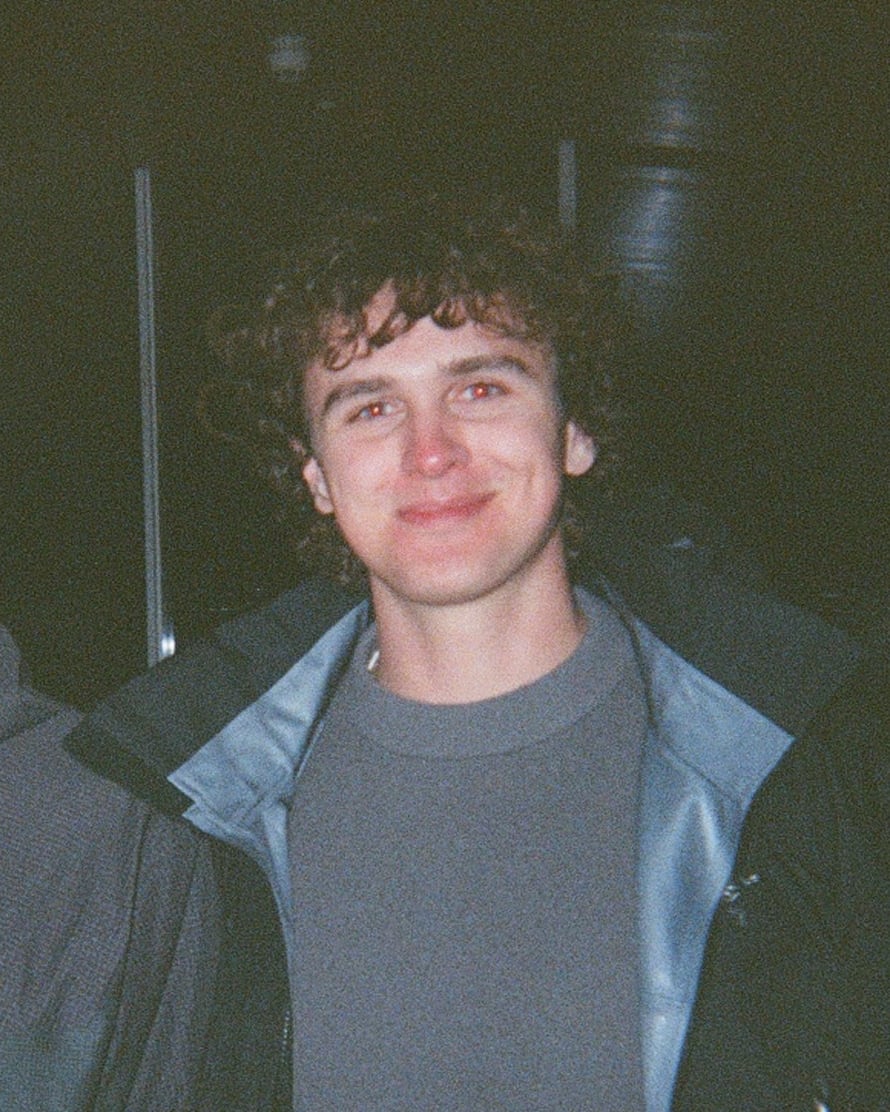

 Harry Founder, Switchboard