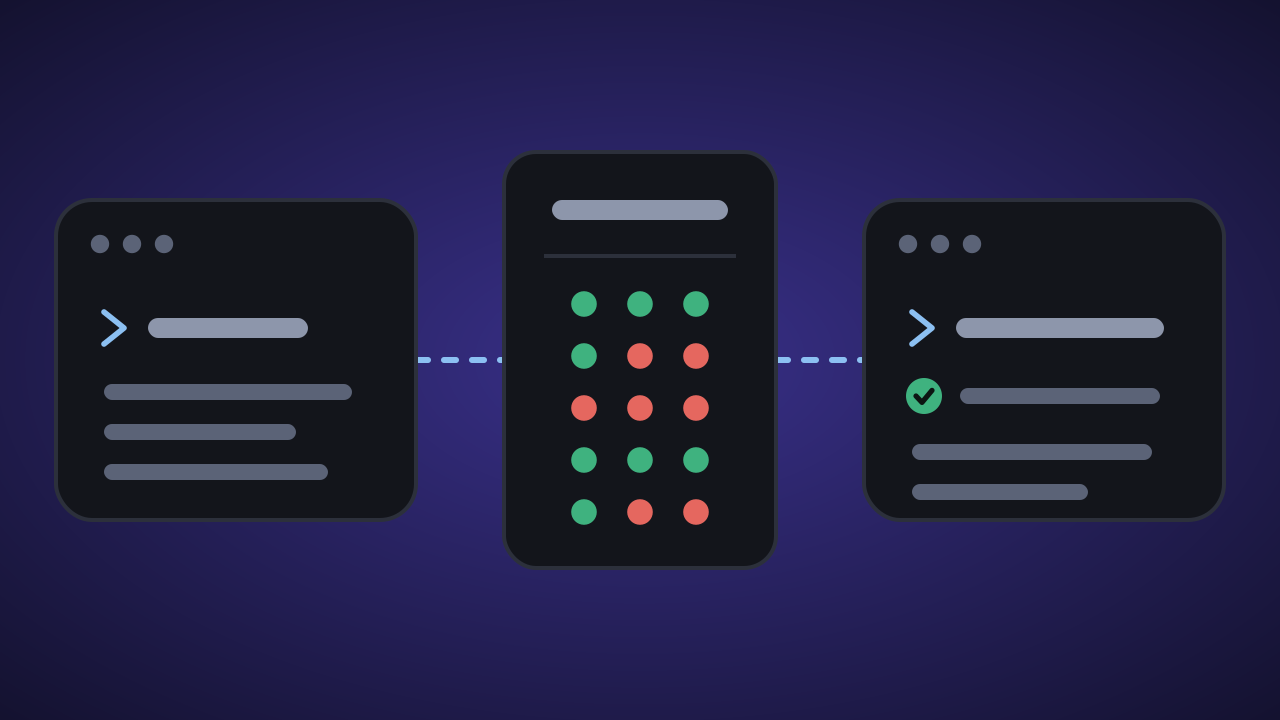
Does your coding agent keep the plan between sessions? We tested 7 setups
We gave Claude Code the same plan in seven setups, ran the same two sessions on each, and checked what the second session knew.
On planning, feedback and building with AI agents.
No articles match that.
We gave Claude Code the same plan in seven setups, ran the same two sessions on each, and checked what the second session knew.
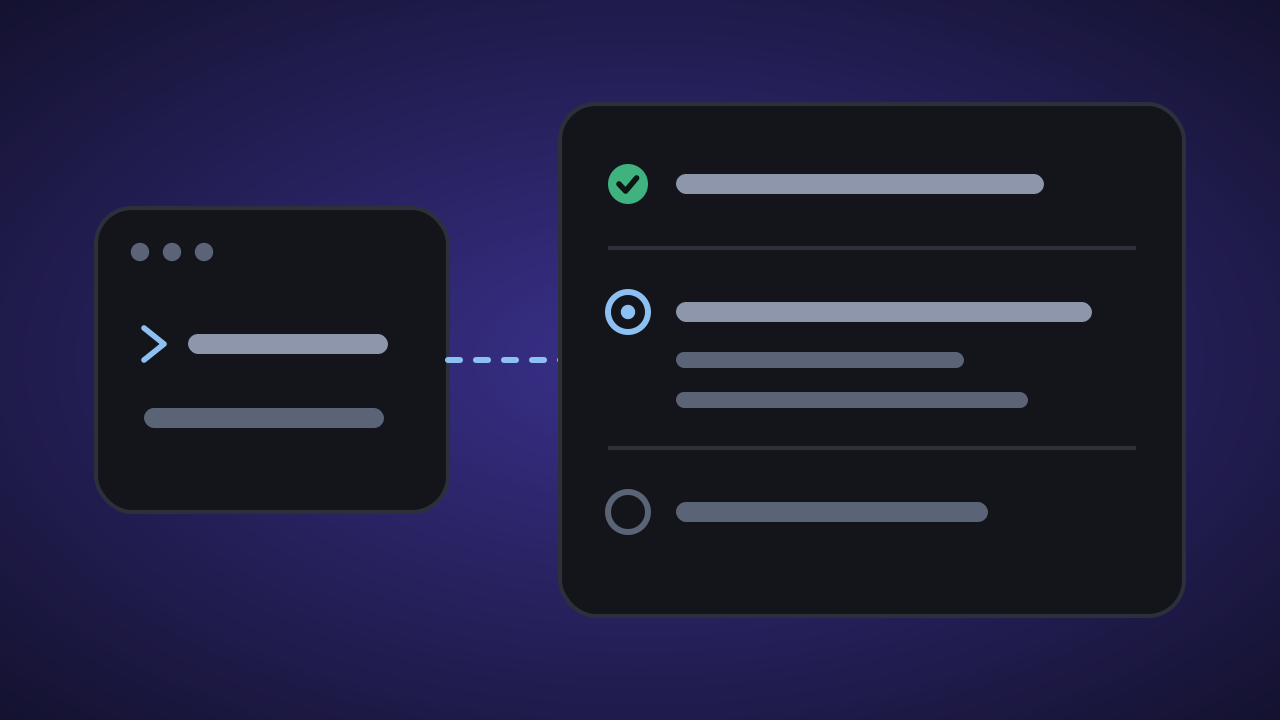
Six things to look for in an issue or task tracker for coding agents, drawn from 1,823 real tool calls, and when a repo tool is the better choice.
Ask for one thing, capture the rest automatically, and add the structure yourself during triage.
A public roadmap helps when it shows intent and stays current. It hurts when users read it as a promise or nobody updates it.
Per-seat pricing makes small teams think twice about inviting people. Here's when flat pricing is better, and when it isn't.
A one-screen release plan you can copy: what you're building, why, what's out, and roughly when.
What it looks like when Claude Code reads and updates your tracker through MCP, how to set it up, and what it doesn't replace.
Link commits and pull requests to the tasks they deliver, so your plan updates as you merge.
Give users one public place to report bugs, request features and vote, then review it all next to your release plan.
What a solo founder needs from a planning tool, and what you can ignore.
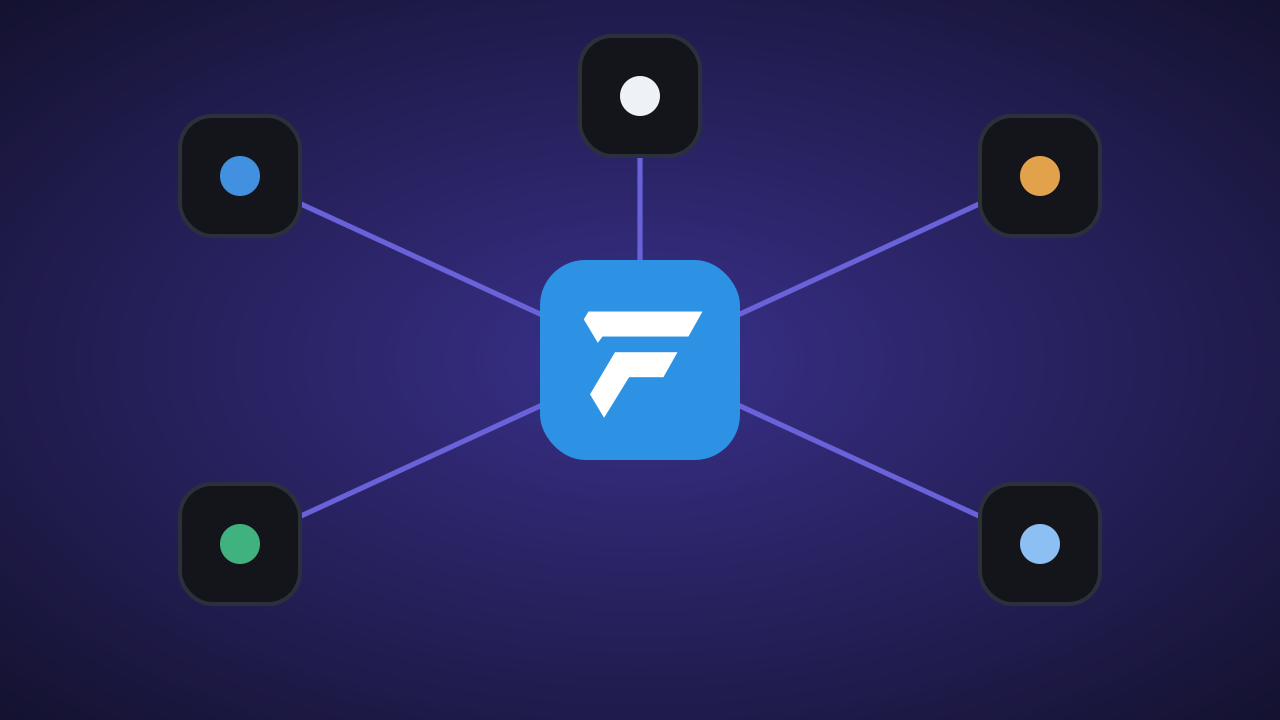
What MCP is, what an assistant can do with your project data, and where a conversation is worse than a board.
Get evidence that a problem is real and painful before you commit serious build time.
Put feedback in one place, group it into patterns, and give every pattern a decision.
Priority tells you what to do first. Areas tell you which part of the product it belongs to.
Show direction without locking yourself into dates you can't keep.

Keep the structure that answers real questions, and remove everything else.
Enterprise planning tools solve problems small teams don't have, and the overhead comes out of your build time.
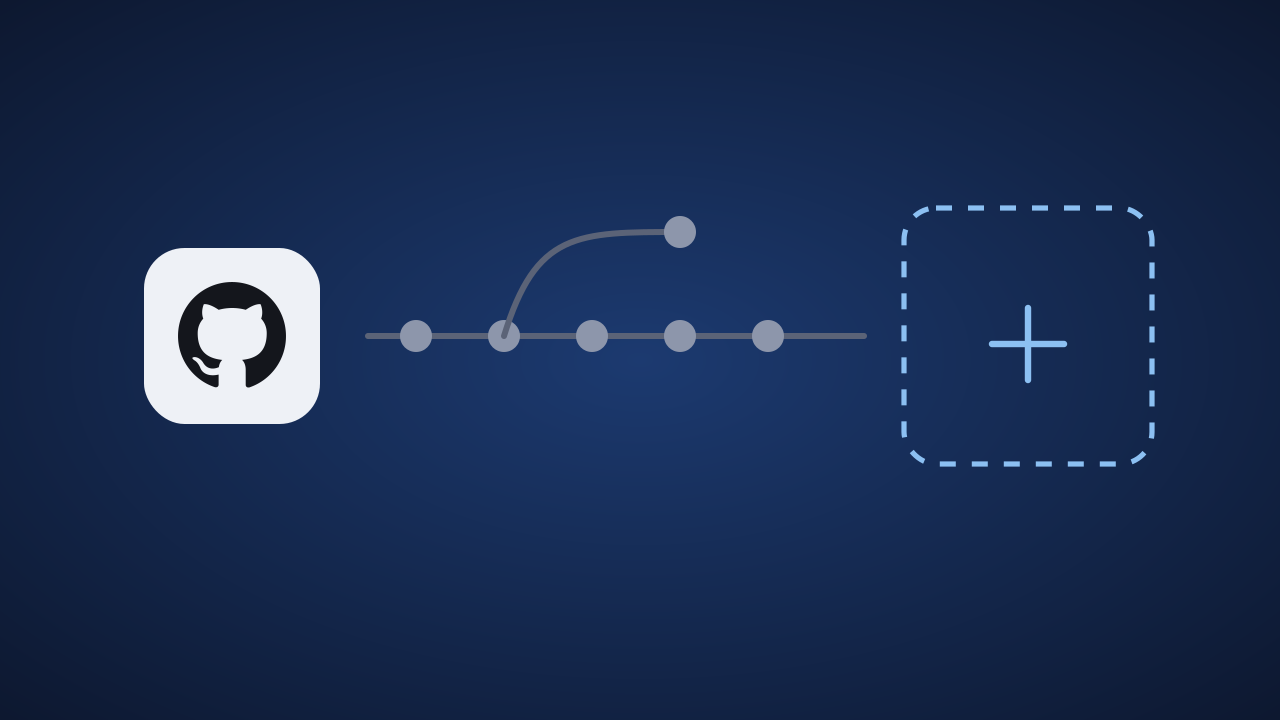
GitHub records what happened in the code. It doesn't say what you're building next or why.
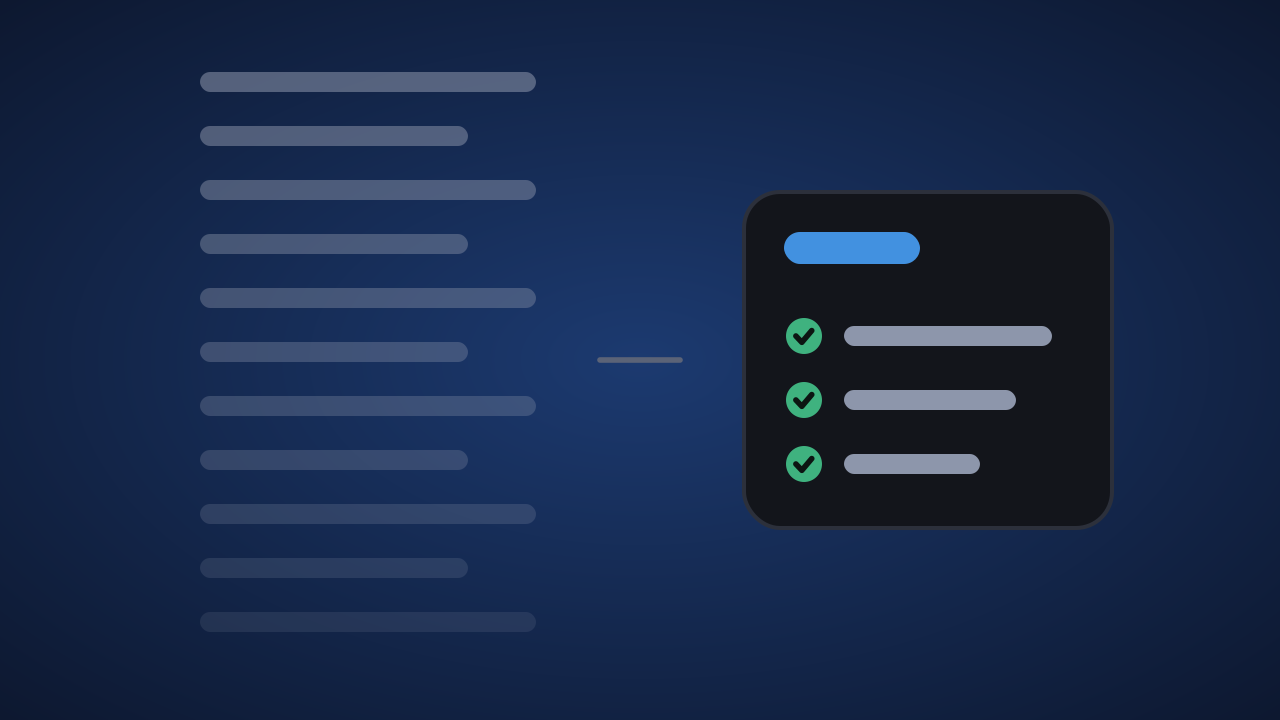
A backlog stores ideas. A release ties work to something you're going to ship.

Building on impulse feels fast early on. The cost arrives later, as rework.
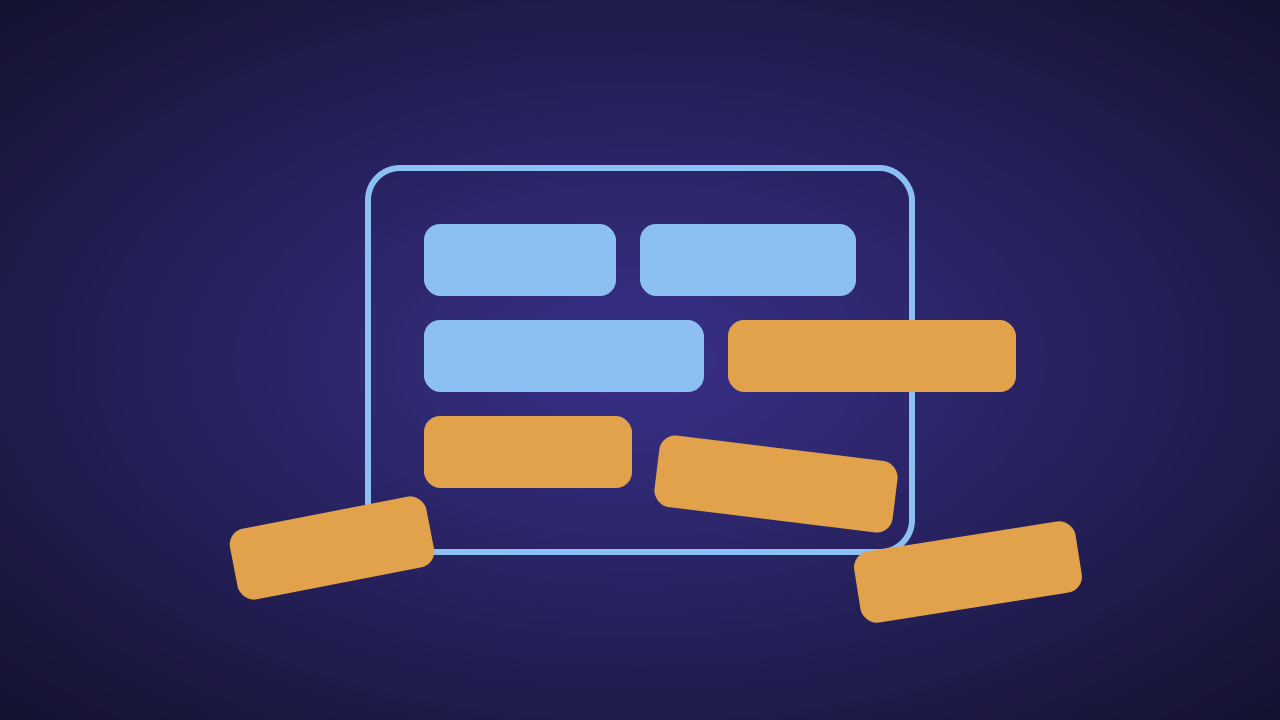
AI lowers the cost of building, and that cost used to stop weak features. Planning has to do that job now.

Write one sentence about the core value, sort every feature against it, and keep the quality bar on what's left.
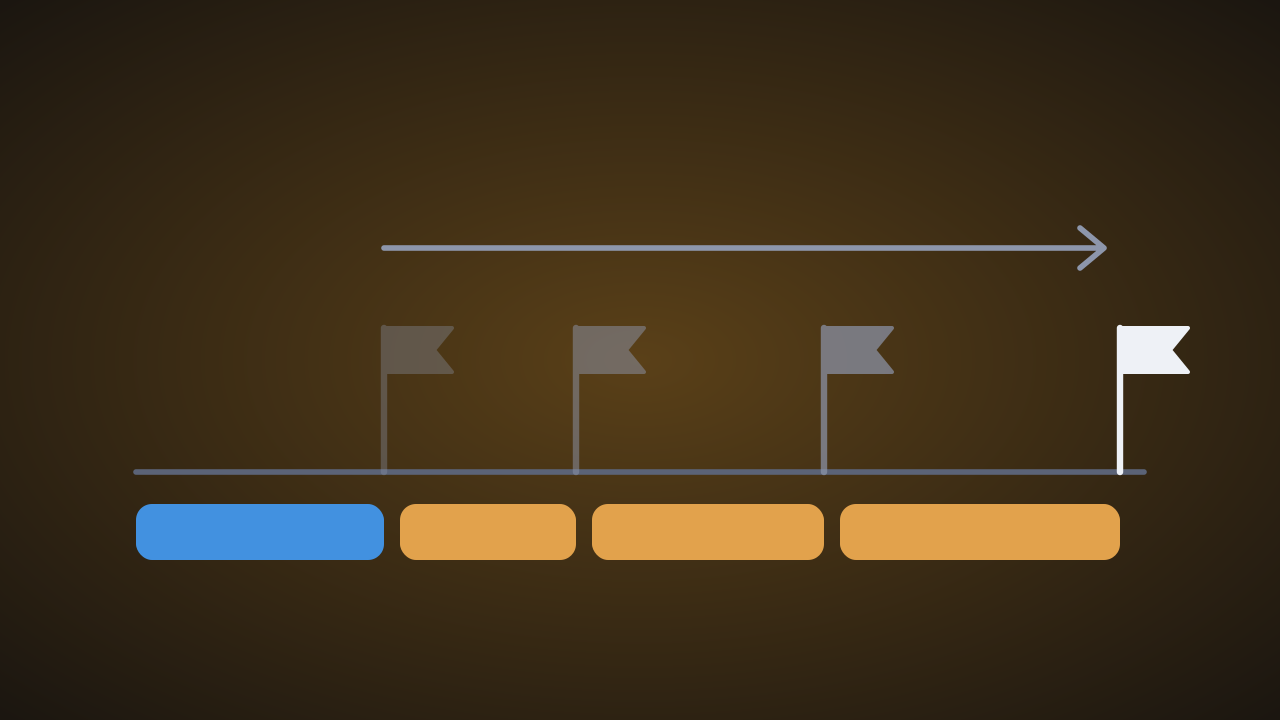
Write down what's out of each release before work starts, and keep ideas separate from commitments.